
The Link Between Plumbing and Energy Bills
The Link Between Plumbing and Energy Bills
When it comes to managing energy bills, most people think about heating, cooling, and electrical systems. However, Wasden Plumbing Services plays a significant and often overlooked role in energy consumption and, consequently, energy bills. In this article, we will explore the intricate connection between plumbing systems and energy bills, highlighting how proper plumbing practices can lead to energy savings.
Water Heating Efficiency
One of the most significant contributors to energy consumption in a home or commercial building is water heating.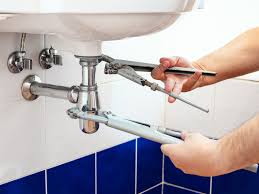
Plumbing is directly linked to water heating efficiency in several ways:
-
- Insulation: Properly insulating hot water pipes can prevent heat loss, allowing hot water to reach faucets and appliances faster and reducing the need to reheat water. This can result in lower energy bills.
- Upgraded Water Heaters: Installing energy-efficient water heaters, such as tankless or heat pump water heaters, can reduce energy consumption significantly compared to older, less efficient models.
- Hot Water Recirculation Systems: Implementing recirculation systems that deliver hot water quickly to faucets can reduce the amount of cold water wasted while waiting for hot water to arrive, saving both water and energy.
Leaks and Water Waste
Plumbing leaks not only waste water but also the energy used to heat that water. A continuous, slow drip from a faucet or a hidden pipe leak can add up over time, leading to higher water bills and increased energy consumption for water heating.
Wasden Plumbing Services
(469) 649-6737
Energy-Efficient Fixtures and Appliances
The choice of plumbing fixtures and appliances can impact energy consumption. Energy-efficient fixtures like low-flow faucets and showerheads reduce water usage, which in turn reduces the energy required to heat the water. Energy-efficient dishwashers and washing machines can also contribute to lower energy bills.
Proper Insulation and Sealing
Well-insulated and sealed plumbing systems are less likely to experience heat loss, ensuring that hot water remains hot and cold water remains cold. This means less energy is needed to maintain the desired water temperatures, contributing to energy savings.
Water Temperature Settings
Adjusting the thermostat on water heaters to an appropriate and safe temperature can help save energy. Setting the water heater too high not only poses scalding risks but also leads to unnecessary energy consumption.
Regular Maintenance and Repairs
Plumbing systems that are well-maintained are less likely to develop issues that waste water and energy. Regular inspections and prompt repairs of leaks, damaged pipes, or faulty fixtures can help maintain plumbing system efficiency.
Solar Water Heating
In some cases, solar water heating systems can be integrated with plumbing to harness renewable energy sources for heating water. This can significantly reduce reliance on conventional energy sources and lower energy bills.
Wastewater Heat Recovery
Wastewater heat recovery systems capture heat from wastewater as it flows down drains and reuse it to preheat incoming cold water. This technology can lead to substantial energy savings in homes and commercial buildings.
Plumbing and energy bills are closely interconnected, and efficient plumbing practices can result in significant cost savings. By paying attention to water heating efficiency, addressing leaks promptly, using energy-efficient fixtures, and adopting modern plumbing technologies, homeowners and businesses can reduce their energy consumption, lower their energy bills, and contribute to a more sustainable future. Proper plumbing practices not only save money but also reduce the environmental impact associated with energy consumption.