
The Print Renaissance: A Comeback in a Digital World
In a world dominated by digital technology, where screens and devices have become our primary sources of information and entertainment, a surprising and delightful trend has emerged: the print renaissance. Contrary to expectations, print media is experiencing a revival, proving that the allure of tangible, physical materials has not waned in the face of digital convenience. In this article, we will explore the reasons behind the print renaissance, the unique qualities that print offers, and the ways in which it complements our digital lives. For those interested in the world of printing, exploring informative resources can help you learn more about this dynamic industry and its ever-evolving technologies.
1. The Allure of Tangibility
A Multi-Sensory Experience
Print offers a multi-sensory experience that digital media cannot replicate. The tactile sensation of flipping through pages, the smell of ink on paper, and the weight of a well-crafted book in hand create a unique and immersive reading experience.
Nostalgia and Sentimentality
Print media evokes a sense of nostalgia and sentimentality, reminding us of a time when physical books, newspapers, and magazines were cherished possessions.
2. The Power of Design and Aesthetics
Visual Appeal
Print media allows for sophisticated design and layout, enhancing the visual appeal of content and making it aesthetically pleasing.
Print as Art
Printed materials are often regarded as works of art, especially in the realm of bookbinding, where craftsmanship and design elevate printed books into collectible pieces.
3. Disconnecting from the Digital Noise
Screen Fatigue
As we spend more time glued to screens, print media offers a much-needed break from digital screens, reducing screen fatigue and providing a respite for the eyes.
Enhanced Focus and Concentration
Print media encourages deeper reading and focus, as it minimizes distractions and interruptions commonly associated with digital platforms.
4. The Rise of High-Quality Printing
Premium Printing Techniques
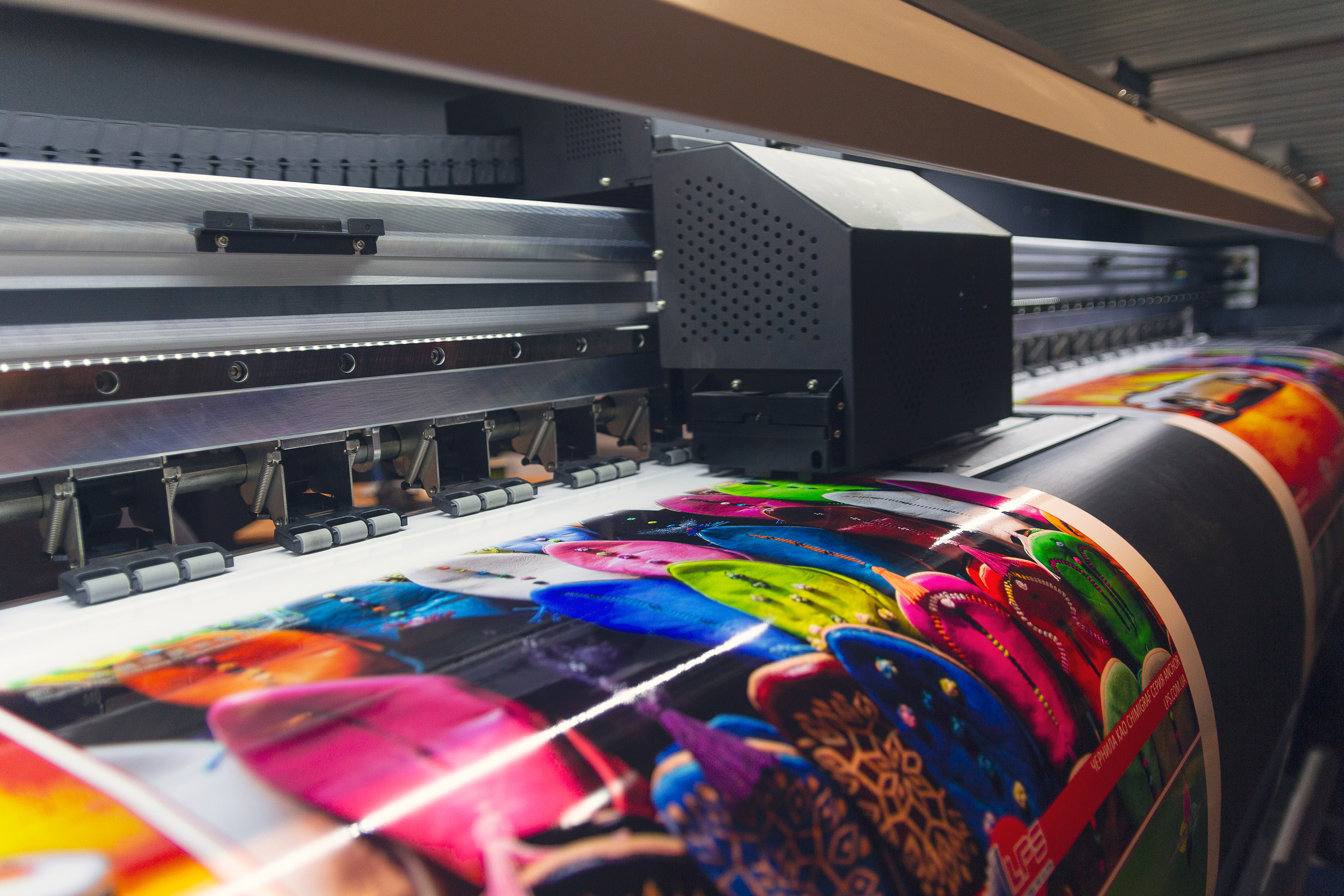
Advancements in printing technology have led to the widespread availability of premium printing techniques, such as embossing, foil stamping, and spot UV, further elevating the appeal of print media.
Sustainable Printing Practices
Printers and publishers are embracing sustainable printing practices, such as using recycled paper and eco-friendly inks, addressing environmental concerns and attracting environmentally-conscious consumers.
5. The Collectible Nature of Print
Limited Editions and Special Releases
Print media, especially books, often have limited editions and special releases, making them coveted and sought after by collectors and enthusiasts.
Unique Artifacts
Printed materials become unique artifacts that document specific moments in time, capturing cultural, historical, and artistic significance.
6. The Synergy Between Print and Digital
Print as a Complement to Digital
Rather than being rivals, print and digital media are finding harmony and synergy. Print can be used as a complement to digital marketing strategies, offering physical touchpoints to engage with audiences.
Cross-Media Experiences
The blending of print and digital enables cross-media experiences, such as QR codes in print materials leading to interactive online content, creating a seamless connection between the two realms.
Conclusion
The print renaissance signifies a profound appreciation for the timeless qualities and sensory experiences that print media offers in a fast-paced digital world. The allure of tangibility, the power of design, and the opportunity to disconnect from the digital noise have contributed to the revival of print.
As print continues to evolve and adapt, embracing both traditional craftsmanship and modern printing technologies, it reaffirms its place as a cherished medium for storytelling, art, and communication. The print renaissance demonstrates that in a world dominated by screens, there is still a special place for the tangible, the tactile, and the beautifully crafted world of print.